
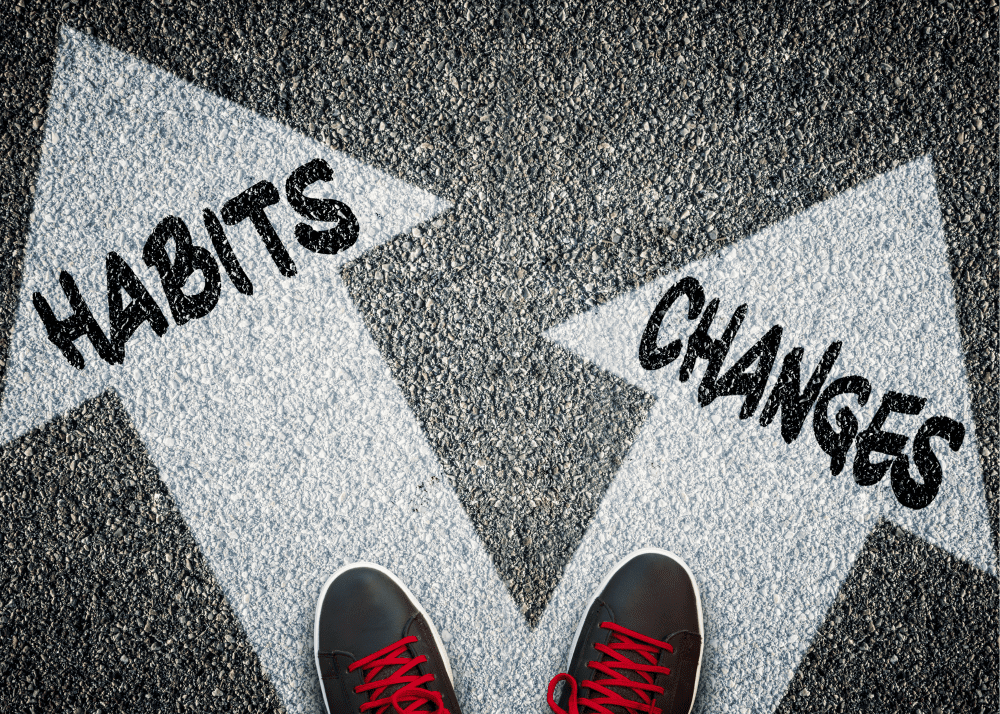
The idea for this post came to me a few weeks ago when, fresh out of the shower, the realisation that I dried myself in exactly the same order every day (bet you do, too...) popped randomly into my head and I thought, "Bugger me! When did that start!?"
Just because I could, I decided to change but it soon became clear even something so trivial as changing the order I dry myself after a shower is more difficult than one might imagine (give it a go...).
One of the last recruitment briefs I worked on came from an existing client — a highly driven entrepreneur who'd built a hugely successful marketing communications network, incorporating creative, media & PR agencies across several countries, none of which were the UK.
My brief was to find an MD to run the ad agencies. Candidates were required to have a blue-chip advertising background and deep experience working internationally with consumer brands.
Two people I'd known for years immediately came to mind. Being consummate admen, both were as smooth as Silky the silkworm's silk boxers, and they'd successfully run large, diverse teams across the world.
I verbally pitched them to the client, thinking I was off to a flying start. Then came a bombshell: he wouldn't consider prospective candidates in their 50s.
Astonished, I asked why. "Because when they reach their 50s people rely on habits that succeeded before, and they find it hard to adapt to new ways of working, to say nothing of changes in tech and attitudes."
I'd never heard that before and I didn't really agree with him but the idea stuck and has been at the back of my mind ever since.
In recent months, with my coaching hat on, I’ve been thinking a lot about habits: why we adopt them, what use they have and — from the perspectives of career progression and the fulfillment of potential — the impact habits have on our ability to adapt in a fast-changing world.
Here’s what I discovered (I know some of this is pretty obvious when you think about it but that’s the point: how often do we think about our habits and the good and not-so-good impacts they have on what we’re paid to do every day?).
Humans form habits as a way of making life easier and more efficient. Habits are useful because they allow us to perform certain tasks or activities without having to think about them, saving time & energy. They also help us to achieve our goals and become more consistent in our behaviour.
Habits can be limiting when they prevent a person from achieving their goals, or when they become unhealthy & interfere with a person's life. Examples of limiting habits may include procrastination, excessive spending, or regular overindulgence.
Habits can prevent progress when they become detrimental to a person's goal or well-being. At work, say, procrastination can prevent the achievement of career goals.
So, what's the best way to break a habit that might be holding you back & stopping you from fulfilling your potential? It’s not easy, so here’s a process that might help:
1. Work with a professional coach (well, come on… what do you expect me to say?) who'll help you:
2. Identify the habit you want to break (create a goal)
3. Identify what triggers the habit
4. Find a healthier alternative to replace the habit
5. Set a timeline and make a commitment
6. Help you find ways to reward yourself for making progress
7. Help you understand what happened if you slip up, and get you back on track.
I hope this has provided food for thought if you’d like to go a step further & find out more, let’s have a chat and see where it takes us.
**Nah, if you can’t spot it, either my writing isn't as interesting as I’d hoped, or ChatGPT is better than you thought.
